
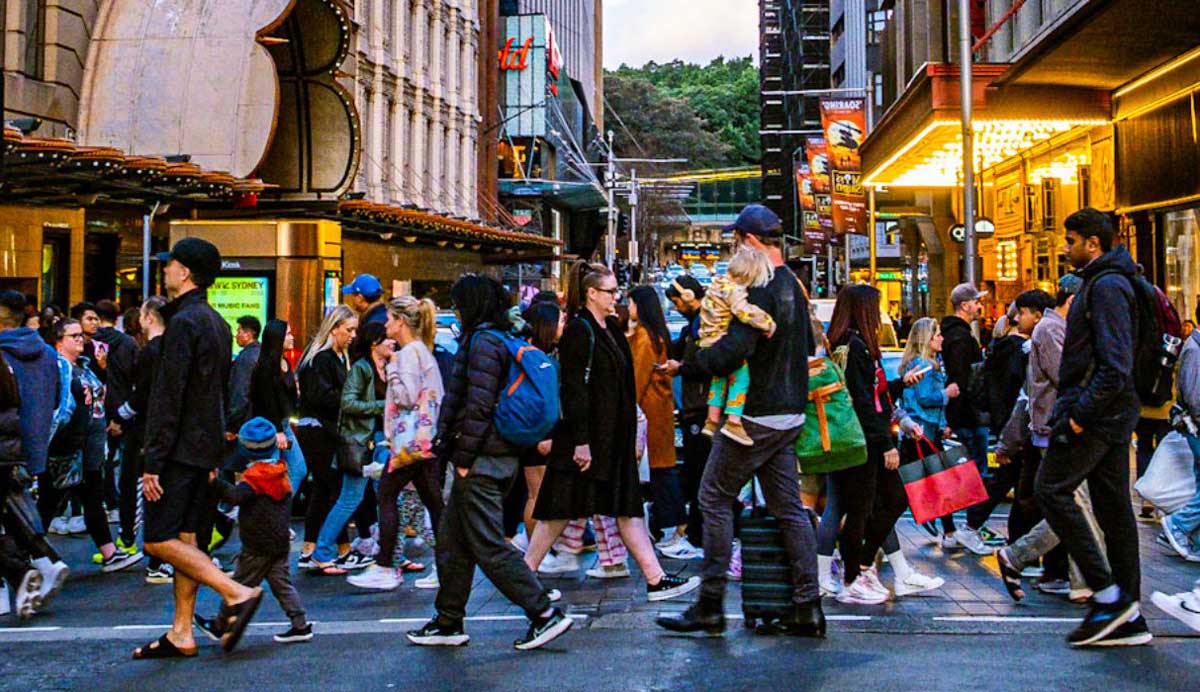
Walking to a bus stop, crossing a busy intersection, or riding a bicycle through Albany should not put someone’s life at risk. Yet fatal pedestrian and bicycle crashes remain a serious road safety concern across New York’s Capital Region.
A report published by the Times Union on October 14, 2026, examined fatal pedestrian and bicyclist crashes between 2020 and 2024. Its analysis found that the Capital Region averaged 18 pedestrian and bicyclist deaths in motor vehicle crashes annually during that period. The report also identified Central Avenue in Albany as a particular area of concern, with nine fatal crashes involving pedestrians or bicyclists recorded there over those five years.
These findings raise important questions about traffic speed, pedestrian visibility, street design, and the steps communities can take to reduce the risk of serious collisions.
For people injured in pedestrian and bicycle accidents in Albany, Colonie, Schenectady, Troy, Saratoga Springs, and other Capital Region communities, understanding the circumstances of a crash is critical to the attorney who is evaluating the legal rights of those injured or killed in this scenario.
Central Avenue Highlights Albany’s Pedestrian Safety Challenges
Central Avenue is an important commercial corridor in the Albany area. People travel along it to reach businesses, public transportation, workplaces, and other destinations. That mix of vehicle traffic and pedestrian activity creates safety challenges, particularly where crossing opportunities are limited.
According to the Times Union analysis, nine fatal pedestrian and bicyclist crashes occurred on Central Avenue between 2020 and 2024.
The report highlighted the potential role of road design and vehicle speed. Long stretches between intersections may encourage some pedestrians to cross outside designated crossing locations, including when trying to reach nearby businesses or bus stops.
The danger is not limited to one road. Throughout Albany and the surrounding Capital Region, pedestrians may encounter busy intersections, limited sidewalks, inadequate lighting, and roads designed primarily to allow vehicles to move quickly.
These conditions do not establish that a driver, property owner, or municipality is legally responsible for a particular accident. Each collision requires an analysis of the specific circumstances of the accident, and the legal duties that attach to each person’s or entities liability under New York law. In addition, identifying recurring safety concerns can help communities understand where improvements may be needed.
Why Speed Matters in Pedestrian Accidents
Vehicle speed is an important factor in determining how severe a pedestrian collision may be in causing injury.
A driver traveling at a higher speed has less time to react when someone enters a crossing or steps onto the roadway. The vehicle also travels farther before stopping, even when the driver responds emergently.
The Times Union report cites research showing that the risk of death rises substantially as impact speed increases. At approximately 25 mph, a pedestrian struck by a vehicle faces a significantly greater risk of death than someone struck at a much lower speed. At higher speeds, the consequences can be devastating.
Albany has introduced measures intended to reduce speeding, including a citywide 25 mph speed limit, school-zone speed cameras, and speed humps in residential neighborhoods, as described in the report.
Lower speeds cannot prevent every collision. They can, however, give drivers more time to respond and reduce the severity of some crashes.
For pedestrians, cyclists, drivers, and everyone sharing Capital Region roads, speed management is an important part of a broader road safety effort.
Nighttime Visibility Is Another Major Concern
The timing of a collision can make a difference in whether a driver sees a pedestrian in time to avoid an impact.
The Times Union analysis found that more than one-third of fatal pedestrian and bicyclist crashes across the Capital Region and Hudson Valley occurred between 7 p.m. and midnight. Of the 236 pedestrians killed across the combined study area from 2020 through 2024, 85 died in crashes during those evening hours.
These figures cover the full region examined in the report, not Albany alone.
Reduced visibility, driver distraction, fatigue, impairment, and inadequate lighting may contribute to nighttime collisions. Dark clothing, glare, weather conditions, and poorly illuminated crossings can also make pedestrians harder to see.
Street lighting can also be an issue. A light that fails to illuminate the crossing itself may do little to help a driver identify someone entering the roadway.
Pedestrians can take precautions by using available sidewalks and designated crossings, wearing reflective or bright clothing when practical, and remaining alert near traffic. Cyclists should use appropriate lights and follow applicable traffic rules.
These precautions are not a substitute for responsible driving or safe street design. A pedestrian’s decision to cross a road does not, as noted above, establish who is legally responsible for a resulting collision and injury.
The Role of Sidewalks, Crosswalks, and Road Design
Road infrastructure can influence how people move through a community and how easily drivers can anticipate their movements.
The Times Union report found that approximately two-thirds of the fatal crashes in its analysis occurred while the pedestrian or bicyclist was in a travel lane. A similar share occurred at locations without a sidewalk.
The absence of a sidewalk does not prove that a road’s design caused a collision. Nevertheless, these findings highlight the importance of providing safe, practical routes for people who travel on foot or by bicycle.
Potential improvements include:
- Better-maintained sidewalks and accessible pedestrian routes.
- Clearly marked crosswalks at appropriate locations.
- Traffic-calming measures on roads with substantial pedestrian activity.
- Lighting that adequately illuminates intersections and crossings.
- Protected bicycle infrastructure where appropriate.
- Street designs that help drivers recognize and anticipate pedestrian movements.
The Capital Region Vision Zero Safety Action Plan, adopted in 2025, sets goals of eliminating roadway deaths and reducing serious injuries by half by 2050. The plan emphasizes safer street design, speed management, policy changes, and public education.
The effectiveness of these measures depends on how they are implemented and maintained. Continued evaluation of crash data can help communities identify dangerous locations and assess whether safety interventions are working.
What Happens When a Pedestrian Is Struck by a Vehicle in Albany?
A pedestrian collision can result in traumatic brain injuries, fractures, spinal injuries, internal injuries, and other serious medical conditions. Even when an injured person survives, recovery may involve extensive treatment, time away from work, and significant changes to daily life.
The legal issues following a collision are sometimes complex. A police report, witness statements, photographs, medical records, traffic-camera footage, and other evidence may help establish how the crash occurred.
If a pedestrian is injured in Albany or another Capital Region community, several steps may help preserve important information.
Seek medical attention
Obtain appropriate medical care as soon as possible. Follow medical advice and keep records of diagnoses, treatment, prescriptions, and expenses.
Preserve available evidence
Only if and when it is safe to do so, retain photographs of the scene, vehicle damage, road conditions, traffic signals, and visible injuries. Keep witness information and any relevant communications.
Be careful when communicating with insurers
Except to provide information to your own insurance company, or for purposes of securing No Fault benefits, defer communication of any other information to your attorney. Never sign a release for settlement without consulting an attorney.
Understand the applicable deadlines
New York has specific time limits to commence personal injury actions, and some claims are subject to additional requirements. Seeking advice early can help prevent an important deadline from being overlooked.
Who May Be Legally Responsible for a Pedestrian Accident?
Responsibility depends on the facts of the individual collision.
A driver’s conduct may be relevant if the driver was speeding, failed to yield when required, drove while impaired, or otherwise failed to exercise reasonable care. Other circumstances may require examining road conditions, traffic controls, visibility, or the conduct of additional parties.
In some cases, a claim may involve a government entity responsible for a road or other public property. These cases can present additional legal and procedural challenges.
For example, a claim involving an alleged roadway defect or a dangerous condition on public property may require careful investigation of who controlled the location, what the responsible entity knew or should have known, and whether applicable legal requirements were satisfied.
Claims against municipalities and other public entities may be subject to special notice requirements and shorter deadlines than ordinary personal injury actions. New York General Municipal Law § 50-e contains notice-of-claim requirements for many claims against public corporations, but its application depends on the defendant and the circumstances.
The presence of a dangerous road condition does not automatically establish municipal liability. An attorney must evaluate the applicable law and evidence before drawing conclusions about responsibility.
Can an Injured Pedestrian Recover Compensation in New York?
Depending on the circumstances, an injured pedestrian may have a claim for damages against a legally responsible party.
Potentially recoverable damages may include reasonable medical expenses, lost wages, certain future losses, and pain and suffering. The availability and amount of recovery depend on the evidence, applicable law, insurance coverage, and other factors.
New York follows comparative negligence principles. Under New York CPLR § 1411, a person’s own culpable conduct generally does not automatically bar recovery in a negligence action, although it may reduce the damages awarded in proportion to that person’s share of responsibility.
That means the circumstances of a pedestrian’s actions must be considered alongside the conduct of other parties. A collision should not be evaluated solely on the assumption that a pedestrian was at fault because the person was crossing a road.
Every case requires a fact-specific assessment. No particular outcome or amount of compensation can be guaranteed.
Why Local Knowledge Matters in Capital Region Injury Cases
Investigating a pedestrian accident often requires more than reviewing a brief description of the incident.
The location of the collision, the road layout, traffic patterns, lighting, available surveillance footage, and the accounts of witnesses may all be relevant. Evidence can also become harder to obtain as time passes.
Anderson, Moschetti & Taffany, PLLC, known as AMT Injury Law, represents injured people in Albany, Latham, and the surrounding Capital Region. The attorneys have handled thousands of cases involving pedestrian accidents and have obtained millions of dollars in settlements and verdicts.
The firm’s personal injury practice includes cases involving motor vehicle collisions and other incidents in which negligence may have caused harm. Depending on the circumstances, an investigation may involve reviewing accident records, evaluating potential liability, documenting injuries, and assessing the legal options available to an injured person.
A lawyer will identify potential deadlines and determine whether special procedures may apply when a public entity is involved.
Building Safer Roads Across the Capital Region
The fatal pedestrian and bicyclist crashes documented by the Times Union underscore the importance of addressing road safety across Albany and the surrounding communities.
Central Avenue’s reported crash history, the role of vehicle speed, and the concentration of fatalities during evening hours all point to issues that deserve continued attention from drivers, transportation planners, and local officials.
Safer crossings, appropriate lighting, speed management, and infrastructure that accommodates pedestrians and cyclists can all contribute to a safer transportation environment.
For someone already injured in a collision, understanding the circumstances of the crash and preserving relevant evidence are important first steps toward determining what legal options may be available.
If you or a family member has been injured in a pedestrian accident in Albany, Latham, Schenectady, Troy, or another Capital Region community, Anderson, Moschetti & Taffany, PLLC should be your “go to” law firm for answers to all of your questions.
Contact AMT Injury Law
Anderson, Moschetti & Taffany, PLLC
26 Century Hill Drive, Suite 206
Latham, NY 12110
Phone: (518) 785-4900
Visit the AMT Injury Law Albany personal injury office page to learn more about the firm’s services and request a consultation.
This article is for general informational purposes only and does not constitute legal advice. Liability, deadlines, and potential recovery depend on the specific facts and applicable law. Consult a qualified New York attorney about an individual case.