
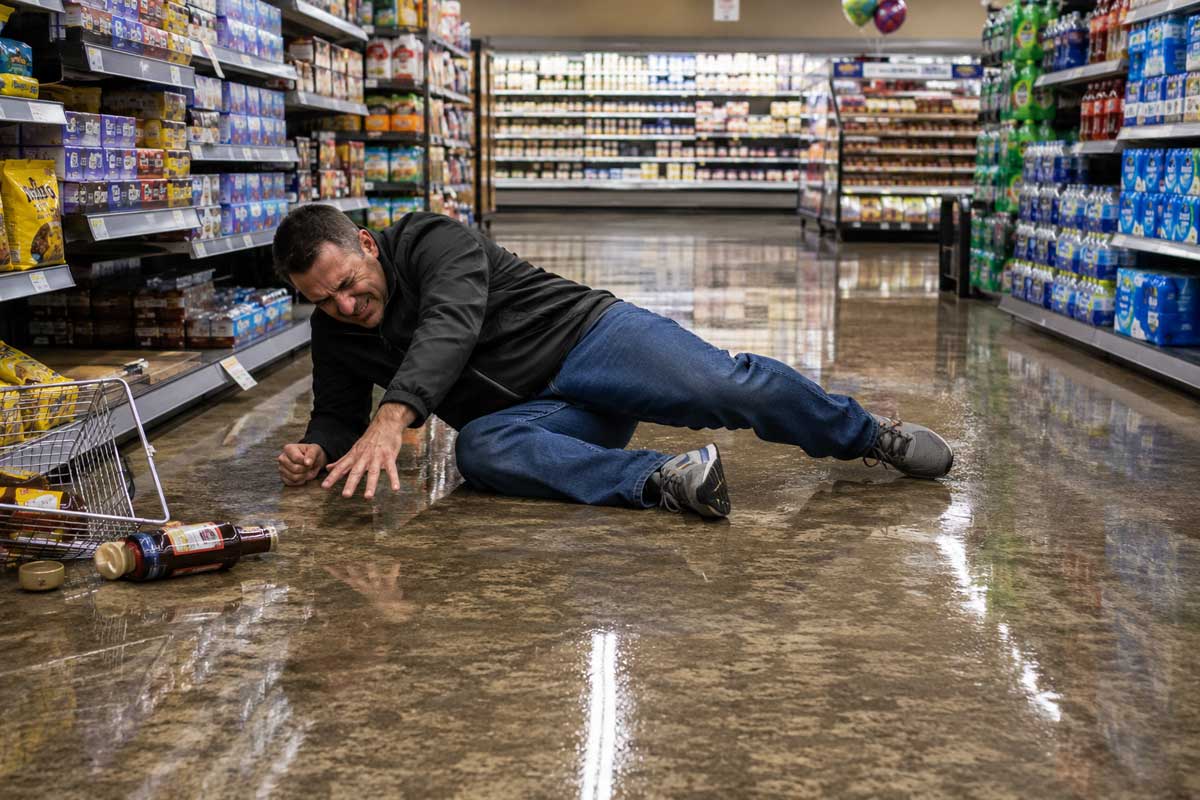
When we visit a grocery store in Latham, rent an apartment in Albany, or park in a downtown Schenectady garage, we have a reasonable expectation that the property is safe. Under New York State law, property owners, landlords, and commercial tenants have a strict legal duty to maintain their premises and protect visitors from foreseeable harm.
When property owners cut corners on maintenance, ignore severe weather hazards, or fail to provide adequate security, innocent people suffer life-altering injuries.
If you were injured on someone else’s property, you may be feeling embarrassed or blaming yourself for your call. Do not apologize, and do not let the insurance company tell you that you have no right to your claim. The trial attorneys at Anderson, Moschetti & Taffany, PLLC have over 100 years of combined experience proving property owner negligence and securing multi-million dollar settlements and verdicts for victims across the Capital District.
Comprehensive Premises Liability Cases We Handle
Premises liability is a broad area of personal injury law. It covers much more than just a wet floor in a supermarket. We routinely investigate and litigate high-value claims involving:
1. Slip, Trip, and Fall Accidents
These are the most common premises liability claims, often resulting in severe fractures of wrists, hips, knees, shoulders or other joints, spinal cord injuries, and sometimes traumatic brain injuries (TBIs). We hold businesses accountable for:
- Wet floors without proper warning signs.
- Torn carpeting, uneven floorboards, or difficult to see elevation changes.
- Potholes and severely degraded pavement in commercial parking lots.
- Broken staircases and missing or unanchored handrails.
2. Snow and Ice Accumulation (The Upstate NY Factor)
Capital District winters are cold and snowy, but that is no excuse for negligence. Landlords and business owners must clear snow and treat ice within a reasonable timeframe. We frequently litigate cases involving the presence of ice in poorly lit parking lots, un-shoveled apartment or residential walkways, and melting snow that creates unsafe floors inside stores.
3. Negligent and Inadequate Security
If you are assaulted, mugged, or injured at a bar, nightclub, hotel, or apartment complex, the property owner may be liable for your injuries if they fail to provide adequate security. We pursue claims against property owners for:
- Broken locks or lack of secure entryways in apartment buildings.
- Insufficient lighting in parking garages and stairwells.
- Failure to hire trained security guards at venues where they should be present.
- Ignoring a known history of criminal activity on the premises.
4. Dog Bites and Animal Attacks
Homeowners are strictly liable for the actions of their pets if the animal has a known history of vicious propensity. They may also be liable for failing to take reasonable steps to secure an animal that they should have known could bite another person. These claims are filed against the owner of the pet, to compensate victims for severe lacerations, nerve damage, and reconstructive surgeries.
The Crucial Element of “Notice” in New York
To win a premises liability case in New York, it is not enough to simply prove that you fell and were injured on the property. We must prove that the property owner had notice of the dangerous condition. There are two types:
- Actual Notice: The owner or their employees knew about the hazard (e.g., a customer told a manager about a spilled gallon of milk, but they left it there for an unreasonable period of time).
- Constructive Notice: The hazard existed for a long enough period of time that a reasonably careful property owner should have discovered and fixed it (e.g., a pothole in a retail parking lot that has clearly been degrading for months).
Our legal team works tirelessly to demand production of maintenance logs, sweeping schedules, and security camera footage to definitively prove that the property owner knew, or should have known, about the danger.
Beware of Short Deadlines: Suing Municipalities
If you trip on a broken, uneven city sidewalk in Troy, or slip on the ice on the steps of an Albany municipal building, the standard three-year statute of limitations for personal injury does not apply.
To sue a government entity (a city, town, county, or state agency) in New York, you must file a formal Notice of Claim within exactly 90 days of your accident. If you miss this 90-day window, you will likely be permanently barred from recovering any compensation.
In addition, most municipalities require prior written notice of the defect, unless it created the unsafe condition, in order to successfully recover against the entity.
What to Do Immediately After an Accident
To protect your right to compensation, you should take steps, whenever possible, to:
- Report the Incident: Notify the store manager, landlord, or property owner immediately. Ask them to write an official incident report and demand a copy.
- Document the Scene: Use your phone to take photos of the exact defect that caused your injury (the puddle, the ice, the broken stair). Once you leave, the hazard will likely be cleaned up or fixed.
- Get Witness Information: Get the names and phone numbers of anyone who saw you fall or who can attest to how long the hazard was present.
- Seek Medical Attention: Go to urgent care or the emergency room immediately. A gap in medical treatment allows the insurance company to argue you weren’t hurt in the fall.
- Do Not Give a Recorded Statement: When the property owner’s commercial insurance company calls you, decline to answer their questions. Let your attorneys speak for you.
Zero Upfront Costs. Proven Capital District Results. We handle all premises liability and slip-and-fall claims on a strict contingent fee basis. You pay nothing out of pocket, and we only collect an attorney fee if we win a settlement or jury verdict for you.
Call Anderson, Moschetti & Taffany, PLLC at (518) 785-4900 for a free, no-obligation case evaluation.